
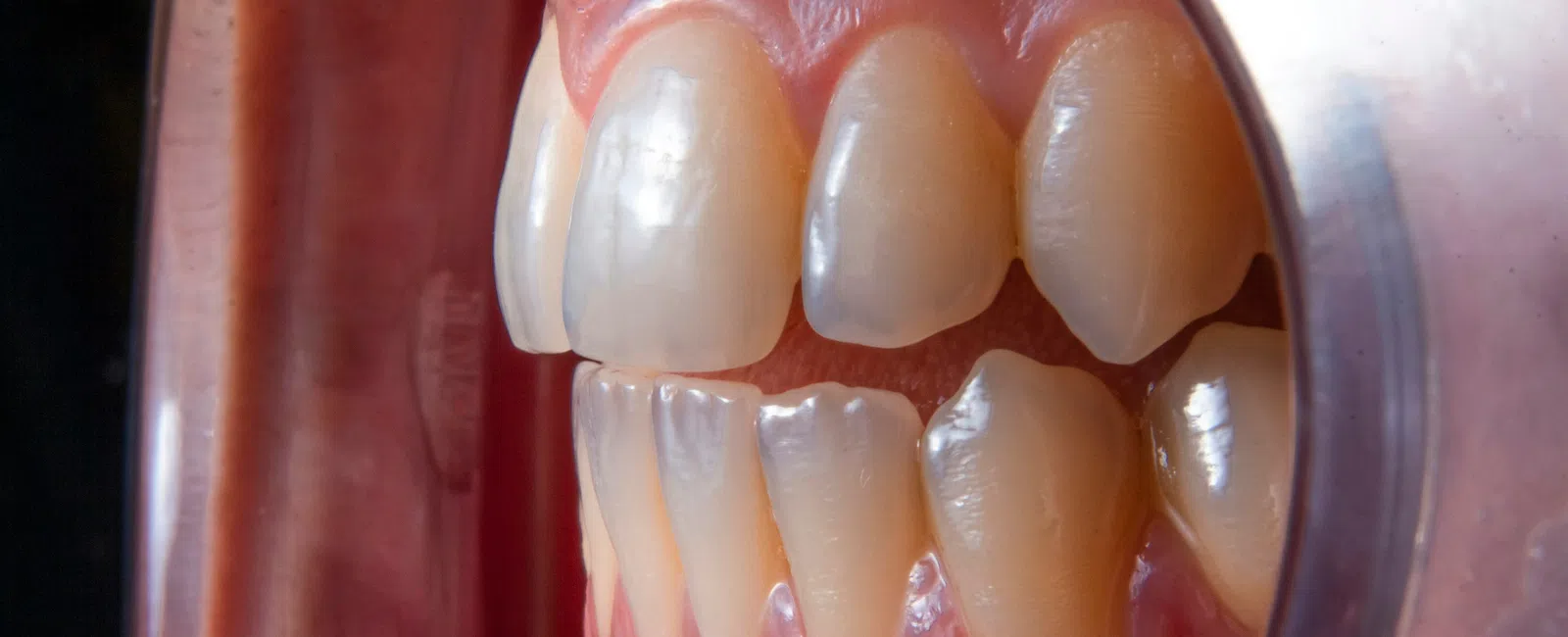
What Are The Most Common Signs Of Gum Disease?
Gum disease is one of the most common health problems that adults face, yet many people don't realize they have it until it becomes serious. This condition, also called periodontal disease, affects the tissues that hold your teeth in place. The tricky part is that gum disease often starts quietly, without much pain. That's why knowing the warning signs can help you catch it early and protect your smile.
Bleeding Gums
One of the earliest and most noticeable signs of gum disease is bleeding gums. You might notice this when you brush your teeth or floss. Healthy gums should not bleed during normal oral care. If you spit out pink-tinged saliva after brushing, this is your body telling you something is wrong.
Many people ignore this sign because it doesn't hurt. However, bleeding is often the first clue that bacteria have built up along your gum line and are causing inflammation.
Red, Swollen, or Tender Gums
Healthy gums are usually a light pink color and feel firm to the touch. When gum disease starts to develop, gums can become red, puffy, and sore. They may feel tender when you touch them or even when you eat certain foods.
This swelling happens because your immune system is reacting to bacteria that have built up in your mouth. The redness and puffiness are signs of inflammation, which is your body's way of fighting off infection.
Persistent Bad Breath
Everyone deals with bad breath once in a while, especially after eating garlic or onions. But if you notice that your breath stays bad no matter how much you brush, floss, or use mouthwash, this could point to gum disease.
The bacteria that cause gum disease release foul-smelling compounds. This creates a type of bad breath that doesn't go away easily, even with good oral hygiene habits.
Receding Gums
Gum recession happens when the gum tissue pulls away from your teeth, making your teeth look longer than normal. This can also expose the roots of your teeth, which are more sensitive and prone to decay.
You might notice this change slowly over time. Some people only realize their gums have receded when they see old photos of their smile compared to how it looks now.
Loose or Shifting Teeth
As gum disease progresses, it can damage the bone and tissue that support your teeth. This can cause your teeth to feel loose or even shift position. You might notice new gaps forming between teeth that didn't used to be there.
This is a more serious sign that gum disease has advanced beyond the early stages. If you notice any looseness, it's important to see a dentist right away.
Pain While Chewing
Gum disease can make everyday activities like eating uncomfortable. You might feel pain or pressure in your gums when chewing food, especially foods that are hard or crunchy. This discomfort happens because the supporting structures of your teeth are becoming weaker and more inflamed.
Pus Between Teeth and Gums
In more advanced cases of gum disease, you might notice pus forming between your teeth and gums. This is a clear sign of infection and should never be ignored. Pus is a sign that your body is fighting off a buildup of bacteria, and it means the infection has reached a serious stage.
A Change in How Your Bite Feels
Some people with gum disease notice that their bite feels different. This happens when the teeth shift due to weakened gum tissue and bone support. You might feel like your teeth don't fit together the way they used to when you close your mouth.
Why Catching These Signs Early Matters
Gum disease starts as a mild condition called gingivitis. At this stage, it's usually reversible with good oral hygiene and professional cleanings. If left untreated, however, it can turn into periodontitis, a more severe form of gum disease that can cause permanent damage to your gums, teeth, and jawbone.
Regular dental checkups are one of the best ways to catch gum disease early, even before symptoms become noticeable. Dentists can spot early warning signs during routine exams, long before you might notice them yourself.
Simple Steps to Protect Your Gums
Taking care of your gums doesn't have to be complicated. Brushing twice a day, flossing daily, and visiting your dentist regularly are the foundation of good gum health. Eating a balanced diet and avoiding tobacco products can also lower your risk of developing gum disease.
If you notice any of the signs mentioned above, don't wait for them to get worse. The earlier you address gum disease, the easier it is to treat and the better your chances of keeping your natural teeth for life.
